No hay productos en el carrito.

Navegar
All Categories
All Categories
Exploración del Cosmos(3)
Ciencia Cuántica para Curiosos(4)
Encuentros y Experiencias(4)
Blog(2)
Uncategorized(273)

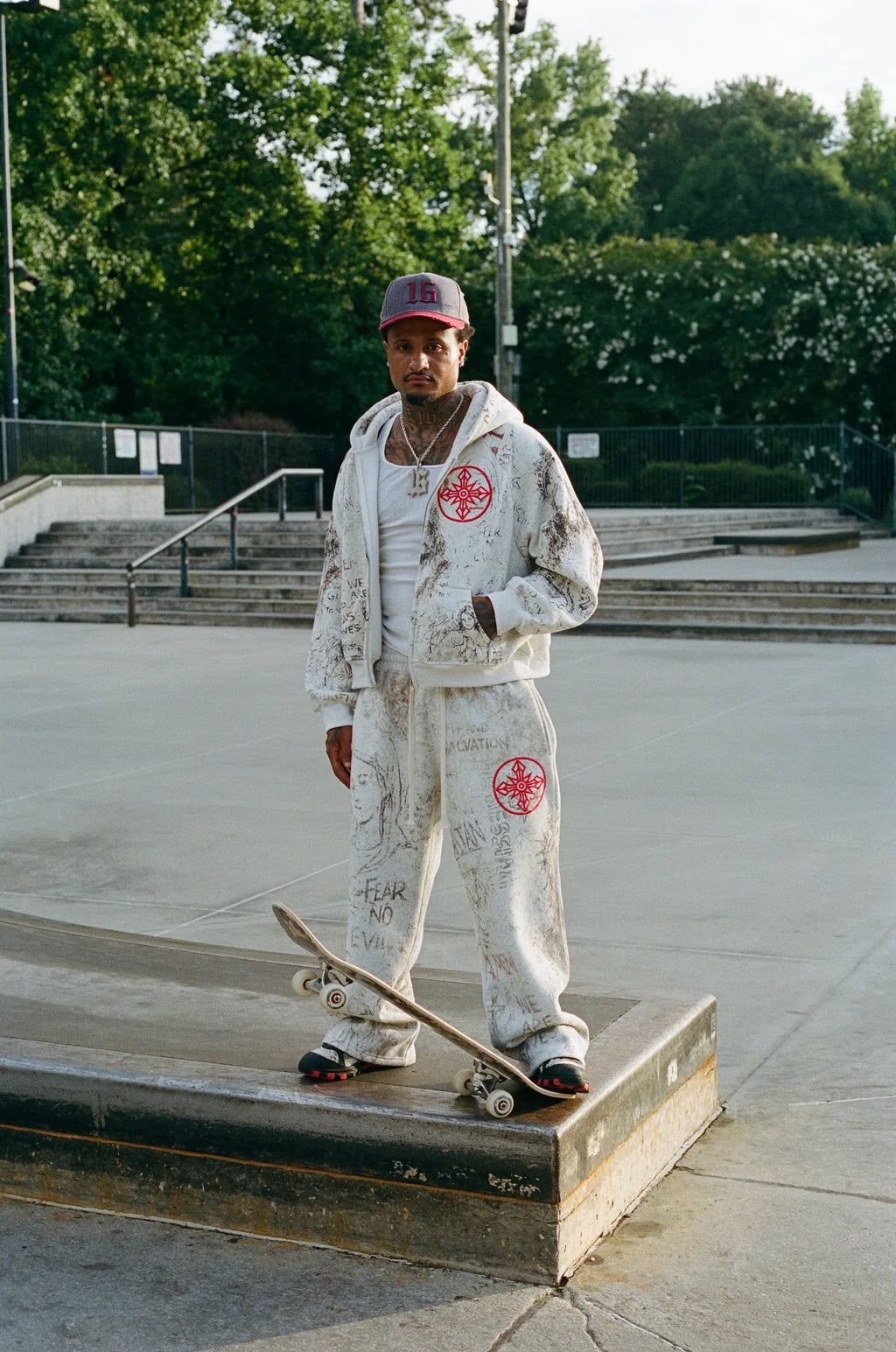
Most fashion labels professes to have a purpose, but only a small number can articulate it beyond a vague line on an About page. We Are Righteous has built its identity around a specific set of standards that shape how garments are conceived, procured, and distributed. That’s significant for anyone scanning a righteous review pre-purchase, because principles with no proof behind them are simply advertising. Here’s a look at the principles fueling the brand, their expression across the collection, and the brand’s standing among other streetwear players.
The name itself signals intent. Righteous clothing is meant to carry a sense of resolve — not religious dogma, but a private standard around craftsmanship, truthful sizing, and pieces built to outlast one season. That framing shows up in fabric choices, in how the we are righteous team communicates with customers, and in the pace at which new drops are released. A more measured, unhurried release schedule usually signals greater care per item instead of endless, throwaway turnover.
The we are righteous brand is anchored by a commitment to substance over hype. The company has stated that its garments are built to be worn for years, not discarded after a few washes. Construction details—like stitch reinforcement at wear points and fabric weights selected for durability, not cheapness—reveal this priority. The approach deliberately pushes back https://yourighteous.com/ against fast fashion, where pieces are often made for a good photo but collapse within a dozen uses.
Openness forms another cornerstone. Rather than concealing sizing behind vague charts, the label supplies measurement guides so shoppers can line up their own measurements with actual garment dimensions instead of a plain S/M/L label. That lowers return rates and fosters trust, which explains why so many customers leave a righteous review citing accurate fit as a plus, not a gripe.
Customer collaboration rounds out the set of principles. The brand treats its customer base as collaborators rather than passive buyers, using direct feedback to inform future colorways, fits, and fabric weights. Feedback from drop comments, sizing discussions, and repeat-purchase trends all inform choices on what’s restocked versus discontinued. Though slower than fast-fashion algorithms, this loop delivers a more consistent product as time goes on.
That hoodie collection underpins the brand’s clothing lineup, and nowhere are these ideals more visible. Hoodies are a testing ground for claims about quality: inferior cloth balls up within a matter of weeks, thin drawstrings wear thin, and weak stitch-work around the hood area unravels before long. A well-made hoodie, by contrast, holds its shape wash after wash. Buyers who have purchased multiple pieces frequently mention in feedback that the hand-feel and weight remain consistent from order to order, which reflects manufacturing discipline on the production side rather than being a fluke.
Beyond hoodies, the full clothing lineup applies the consistent quality bar to t-shirts, outerwear, and accessories. Each category is built around a shared fabric philosophy — thicker cotton blends for body, pre-shrinking processes to reduce post-wash surprises, and color processes chosen to stay fade-resistant. None of it is flashy, but it’s the sort of unglamorous groundwork that sets apart a brand built for longevity from one designed to be replaced.
Sizing consistency also reflects the brand’s values in practice. Rather than radically changing fits between drops, which requires returning shoppers to re-measure every time, the label aims to keep its block uniform from collection to collection. As a result, someone who owns one righteous hoodie can purchase a new piece with confidence, without wondering whether the current cut runs differently from the previous year’s.
To see clearly where We Are Righteous stands in the market, it helps to weigh its way of operating against the fast-fashion approach most shoppers are used to. The table below highlights key differences based on general industry patterns and the brand’s stated practices.
| Consideration | We Are Righteous | Standard Fast-Fashion Label |
|---|---|---|
| Release frequency | Infrequent, intentional launches | New items arriving nonstop |
| Fabric priority | Durability and weight | Bargain-basement material sourcing |
| Fit stability | Consistent from drop to drop | Changes with each release |
| Role of shopper input | Shapes upcoming designs directly | Minimal influence on design |
| Planned longevity | Years of use | Single season, often less |
This comparison isn’t intended to knock fast fashion outright — it fills a need for shoppers who are after low prices and constant novelty. But it does explain why a righteous clothing brand built around slower cycles and heavier fabrics attracts a different kind of customer: one who prioritizes longevity and fit accuracy over having something new every week.
Promotional messaging can only say so much — going through customer input gives a sharper picture. Repeated patterns in a we are righteous review tend to center on three things: fabric weight coming across as substantial rather than flimsy, true-to-size fits lowering the need for exchanges, and print or embroidery details lasting after repeated washing. Nothing here is a flashy claim, but it’s exactly the sort of grounded feedback that builds lasting confidence with a customer base.
A number of reviews also bring up shipping timelines and customer service responsiveness, both of which shape overall satisfaction even when they’re unrelated to the garment itself. A brand that answers sizing questions promptly before purchase tends to see fewer post-purchase complaints, simply because expectations are set correctly from the start. This operational discipline is part of the value system too — it’s not just about the product, but about the treatment people receive throughout the buying process.
It’s also worth noting that no review process is universally positive. Certain shoppers have pointed out longer restock windows for popular sizes, a natural byproduct of smaller, more carefully managed production runs rather than mass manufacturing. Rather than unlimited stock produced cheaply and quickly, the brand leans toward fewer units made with greater attention — a trade-off in line with its stated priorities.
As a buzzword, sustainability falls flat — so it’s worth examining the particular steps the brand has made. Manufacturing in limited quantities instead of mass-producing thousands of identical units curbs overproduction — one of the fashion industry’s most persistent waste problems. Because there’s no need to move enormous unsold inventory through steep markdowns, a brand also doesn’t have to compromise on the original quality of its fabric to hit a price point later.
Packaging and shipping materials are another area where smaller, values-driven brands often differ from mass retailers, opting for simpler packaging with less unnecessary plastic. While not every detail of a supply chain is visible to the end customer, the general direction — limited production runs, consistent quality, reduced overproduction waste — matches what the brand frames as its founding purpose.
Values mean little unless they survive close examination, and We Are Righteous invites that examination by making sizing information public, responding to customer feedback, and staying consistent across its righteous hoodie and broader apparel lines. Rather than following every trend, the brand presents itself as a long-term wardrobe staple provider. For 2026, this direction is notable precisely because much of the market still leans on speed and disposability instead of trust and durability.
Whether someone is reading their tenth righteous review or their first, the throughline that appears is consistent: solid, weighty material, sizing you can trust, and a slower, more intentional approach to releasing new pieces. There’s nothing showy about that message, but it’s consistent — and that kind of consistency is frequently what distinguishes a label with genuine principles from one that just treats the word as a catchphrase.