No hay productos en el carrito.

Navegar
All Categories
All Categories
Exploración del Cosmos(3)
Ciencia Cuántica para Curiosos(4)
Encuentros y Experiencias(4)
Blog(2)
Uncategorized(265)

Choosing a crypto casino involves more than spotting a welcome offer. Players should also examine bonus conditions, game variety, payment processes, mobile access, and the operator’s licensing and operating status. As a historical example, Casino Livecasino.io offered cryptocurrency payments, online slots, table games, and live-dealer games before closing on 30 September 2026. This retrospective perspective helps explain what a careful casino review should cover, while making clear that its former services are no longer available and should not be mistaken for an active place to play.

A useful casino assessment brings several checks together rather than treating bonuses, games, and payments as separate attractions. A large reward may come with wagering requirements, game restrictions, or a short expiry period, so its headline value does not reveal how usable it is. Likewise, an appealing table-game lobby is only meaningful if the rules, limits, and provider information are easy to find. At a crypto casino, the review should also explain supported currencies, transaction rules, and how the operator handles account checks. These details shape whether the advertised experience is clear, practical, and appropriate for a player’s needs.
Livecasino.io’s former catalogue was advertised as containing more than 3,000 games, including slots, table games, and live-dealer options. That breadth is a historical detail, not proof that every game suited every player or that the service remains accessible. For any casino, catalogue size should be considered alongside search filters, game rules, and access from mobile devices. Players should also distinguish a game’s entertainment features from its odds: neither a bonus nor a particular payment method changes the underlying house edge. A careful review makes these boundaries visible before discussing the appeal of the platform.
Use a consistent review process before creating an account or transferring cryptocurrency. The steps below focus on information that can be checked in the casino’s terms, cashier, game lobby, and licensing disclosures. If a casino’s current operating status cannot be confirmed, treat that uncertainty as a reason to pause rather than relying on old reviews or archived promotions. The same approach applies to a retrospective review: identify what was available historically, then separate it clearly from what can be used now.
Livecasino.io was a cryptocurrency-focused online casino operated by Moon Technologies B.V. in Curaçao. Its historical payment currencies included BTC, ETH, LTC, USDT, TRX, XRP, ADA, BNB, and DOGE. A list of supported coins is useful only when paired with practical cashier information: a player should know which network applies, whether a minimum deposit is imposed, how confirmations are handled, and what withdrawal checks may occur. Cryptocurrency transfers can be difficult or impossible to reverse, so reviewing the exact address and network before sending funds is an essential precaution.
The former platform also combined online slots with table games and live-dealer games, offering several kinds of casino play in one digital lobby. Those formats differ in pace and presentation: slots generally run through automated rounds, while table games involve familiar rules such as those for blackjack or roulette, and live-dealer titles stream a dealer-led session. A historical review can describe that range without implying continued availability. For any active casino, players should confirm that the specific title is listed, that its rules and limits are accessible, and that mobile access works reliably before making a deposit.
These details show why review dates and operating status matter as much as a feature list. A past catalogue or payment menu can provide context, but it cannot establish that deposits, withdrawals, or customer support remain available. Readers should interpret these specifics as historical information and apply the same verification standard to any casino they consider today.
Casino features are most useful when they give players transparent choices rather than simply adding promotional language. A bonus can extend play, but its conditions determine how much flexibility it actually provides. A broad game selection can make it easier to choose between online slots, table games, and live-dealer sessions, while convenient mobile access can help players reach the lobby on different devices. None of these features guarantees a win or makes gambling risk-free. The practical question is whether the casino explains each feature clearly and gives players enough information to decide whether it fits their preferences and budget.
Compare these benefits with the casino’s terms, rather than assuming that a larger bonus or longer game list is automatically better. Check whether the promotion excludes certain games, whether contribution rates vary, and whether a maximum withdrawal applies. For game variety, look beyond the total count to see whether the lobby provides useful categories and clear information about limits. For mobile play, check whether the cashier, support options, and responsible-play settings are also accessible, not just the games themselves.
Licensing disclosures are a starting point for due diligence, not a blanket guarantee of safety or a substitute for reading the rules. Livecasino.io historically named the Curaçao Gaming Authority and Anjouan Gaming Authority as licensing authorities, and its former operator registration number was 152185. These references describe the platform’s historical disclosures; they do not mean the closed casino is currently licensed or available. When assessing an active operator, verify its present legal entity, the regulator named in its terms, and whether the licence details can be confirmed through the relevant authority. Also check which countries the casino accepts, since access and player protections can vary by location.
Security checks should include account protection, identity verification, withdrawal procedures, and responsible-gambling tools. A casino may request documents to comply with its policies or legal requirements, so players should understand what information could be requested and how support handles account issues. For cryptocurrency, use only the stated network and verify every transaction detail; sending funds to an incorrect address may result in permanent loss. Set a spending limit before play, keep gambling separate from essential expenses, and stop if it becomes difficult to stay within that limit. Bonuses and game access should never be treated as a reason to chase losses.
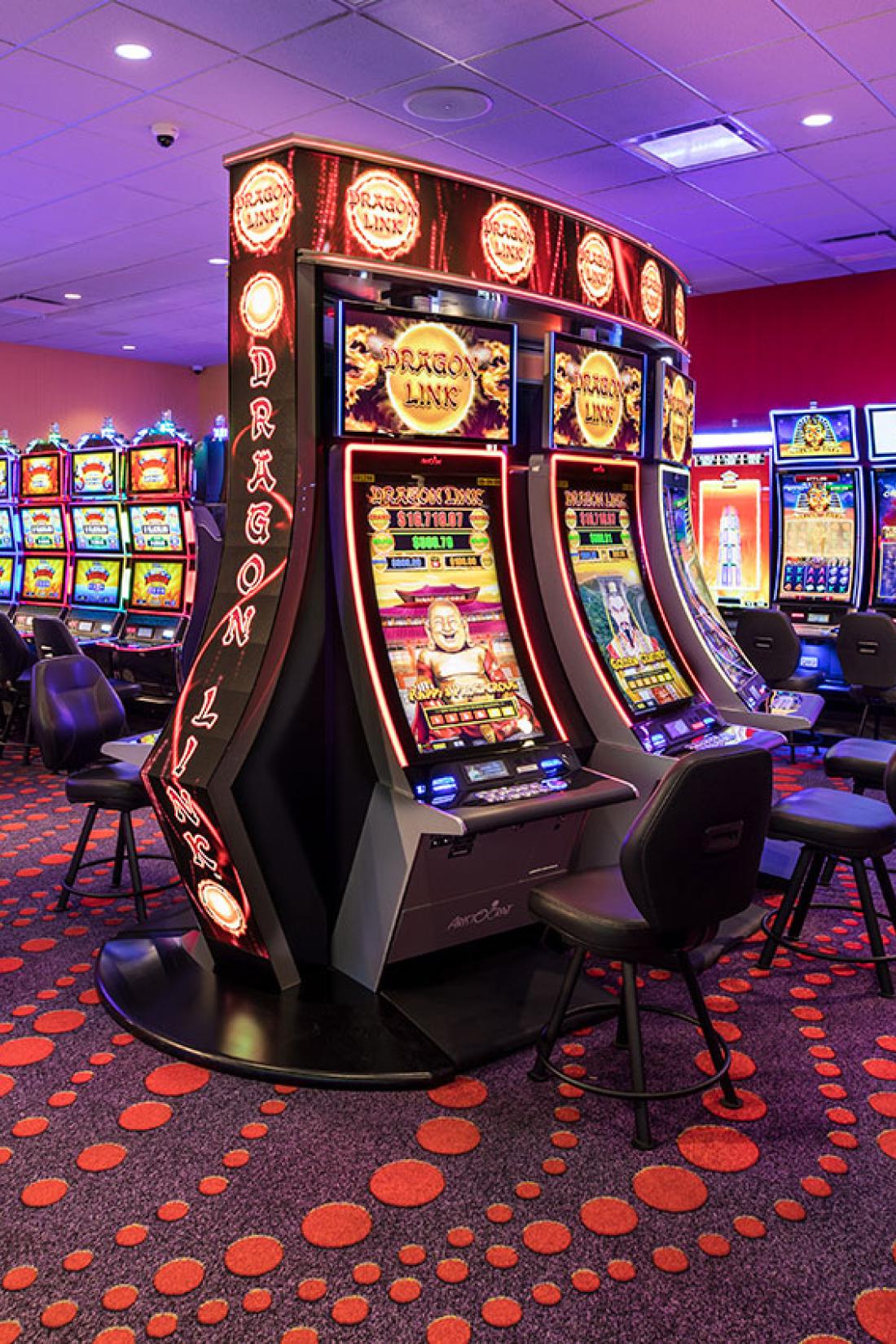
Livecasino.io can be considered only as a retrospective example of how a crypto casino combined bonuses, game formats, and cryptocurrency payments. It was advertised with more than 3,000 games and a range of digital currencies, but it closed on 30 September 2026. That closure changes the practical decision completely: former features are useful for understanding its history, not for choosing a currently playable casino. Anyone researching the brand should look for reliable, current status information and avoid sending funds or sharing personal details through pages that suggest the closed service is still operating.
For a broader casino decision, compare the offer with its full terms, verify the operator and licensing information, inspect game rules, and confirm payment procedures before taking action. Treat mobile access and live-dealer options as conveniences to assess, not assurances of quality. Most importantly, decide in advance whether gambling is appropriate for you, set firm limits, and do not play with money needed for essentials. A well-informed review is specific about what a casino offered, equally clear about what it no longer offers, and cautious about claims that cannot be verified.